
September 12, 2026
Weekend in Havana, Cuba: The Perfect 3-Day Havana Itinerary
Plan your perfect weekend in Havana with this 3-day itinerary covering Old Havana, the Malecón, vintage cars, paladares, and day trip options to Playas del Este or Viñales.
Are you planning a weekend in Havana, Cuba? This comprehensive guide is designed for first-time visitors and weekend travelers who want to make the most of a short stay in Cuba’s vibrant capital. Inside, you’ll find a detailed 3-day Havana itinerary covering the city’s must-see neighborhoods, practical travel tips, and advice on where to stay, eat, and explore. Whether you’re looking for culture, history, classic cars, or a quick Caribbean escape, a weekend in Havana is the perfect way to experience the heart of Cuba in just a few days.
Key Takeaways
- Three days in Havana is enough to cover Old Havana's plazas, Central Havana's gritty streets, Vedado's 1950s architecture, and the Malecón - plus squeeze in a beach day or countryside day trip.
- Stay in a casa particular (a type of private accommodation for tourists, often run by local families) in Old Havana or Central Havana to keep walking distances short and support Cuban families directly.
- Cuba runs on cash. Bring euros or USD in small denominations - your US bank cards won't work here, and ATMs are unreliable at best.
- Havana's realities (rationing, limited internet connection, power outages) are part of what makes this city thought-provoking, not just photogenic.
- This Havana itinerary works as a standalone weekend or as the opening chapter of a longer Cuba itinerary that includes Viñales, Trinidad, or Cienfuegos.
Intro: Why Havana Is Perfect for a Long Weekend
You land at José Martí International Airport on a Friday afternoon. The humidity hits you before the luggage carousel does. By the time your taxi crosses into the city, you're passing crumbling buildings painted in faded pastels, vintage cars idling at intersections, and someone's living room where the front wall used to be. Live music spills out of a doorway on Calle Obispo. A guy sells piña coladas from a cart. You haven't even dropped your bags yet, and Havana already feels like nowhere else on Earth.
Here's the thing: a weekend in Havana won't let you see all of Cuba. But it will let you walk the cobblestone streets of the old town, sit on the Malecón watching sunset light up a row of 1950s Chevrolets, eat ropa vieja at a family-run paladar, and fall asleep to the sound of salsa drifting through your window. This 3 days in Havana plan covers Old Havana, Central Havana, Vedado, and gives you a choice between a beach day or a countryside day trip - and it slots neatly into a longer seven- to ten days Cuba itinerary that might also include a visit to Viñales or Trinidad.
Let's get into it.
Before You Go: Essential Logistics for a Weekend in Havana
Cuba traveling requires more pre-trip homework than most Caribbean destinations. Don't skip this section.
Visa & Entry
- Most nationalities need a tourist card, obtainable through your airline, a consulate, or an authorized agency. Many countries now qualify for an e-Visa valid for 90 days.
- U.S. citizens cannot travel for "tourism." You must select one of the 13 permitted categories under OFAC's guidelines - "Support for the Cuban People" is the most common. The city has strict travel regulations for U.S. citizens, and your airline will ask you to declare your category at check-in.
- Passport must have at least six months' validity. Carry proof of return flight.
Cash
- The Cuban Peso (CUP) is the only national currency since the CUC was eliminated in 2021. Euros and USD cash are widely accepted or exchanged.
- U.S. bank credit and debit cards do not work in Cuba. Period. Non-US international cards are unreliable. Arrive with enough cash for your entire trip - we'll cover budgets below.
Other Essentials
- Health insurance is required for entry; you may be asked for proof.
- Bring paper copies of all bookings. Internet can be patchy, and your phone might not save you.
- Bring a guidebook to navigate limited internet access - seriously, old-school paper works here and is important due to limited connectivity.
Connectivity
- For connectivity: buy an ETECSA "CubacelTur" SIM at the airport or an ETECSA office for mobile data (valid 30 days).
- Public WiFi hotspots use scratch-off "NAUTA" cards sold at ETECSA offices. Expect slow speeds and congestion.
- Download offline maps before you leave home.
Where to Stay for a Short Havana Itinerary
Location matters when you only have a weekend. You don't want to spend it in taxis.
Old Havana (Habana Vieja)
The main tourist area to stay. Havana's old town was declared a UNESCO World Heritage Site in 1982, and staying here puts you within walking distance of every major plaza, museum, and cafe. Havana's historic center features cobblestone streets and colorful colonial buildings around every corner. Downside: street noise and tourist crowds, especially along Calle Obispo.
Central Havana
Grittier, louder, more local life. Cheaper casas, easy access to both Old Havana and the Malecón. This is where you peek inside Cuba's actual daily rhythm.
Vedado
Residential and leafy, with tree-lined streets and 1950s architecture. Hotels in Vedado offer a mix of high-rises and mansions. Great nightlife, but you'll need a taxi to reach Old Havana.
What is a Casa Particular?
A casa particular is a type of private accommodation for tourists, similar to a bed and breakfast or homestay, often run by local Cuban families. Staying in a casa particular offers an authentic experience, homemade breakfast, local tips, and ensures your money goes directly to Cuban families.
Booking Tips
Booking accommodation in Cuba is mainly through Airbnb - search for casas near Parque Central, along San Rafael, or close to Paseo del Prado. Expect to pay around 20–30 CUC per night for a solid room, more for boutique-level places.
Day 1: First Impressions of Old Havana (Friday)
Your first day should be gentle. Drop your bags, grab a Cuban coffee, and walk.
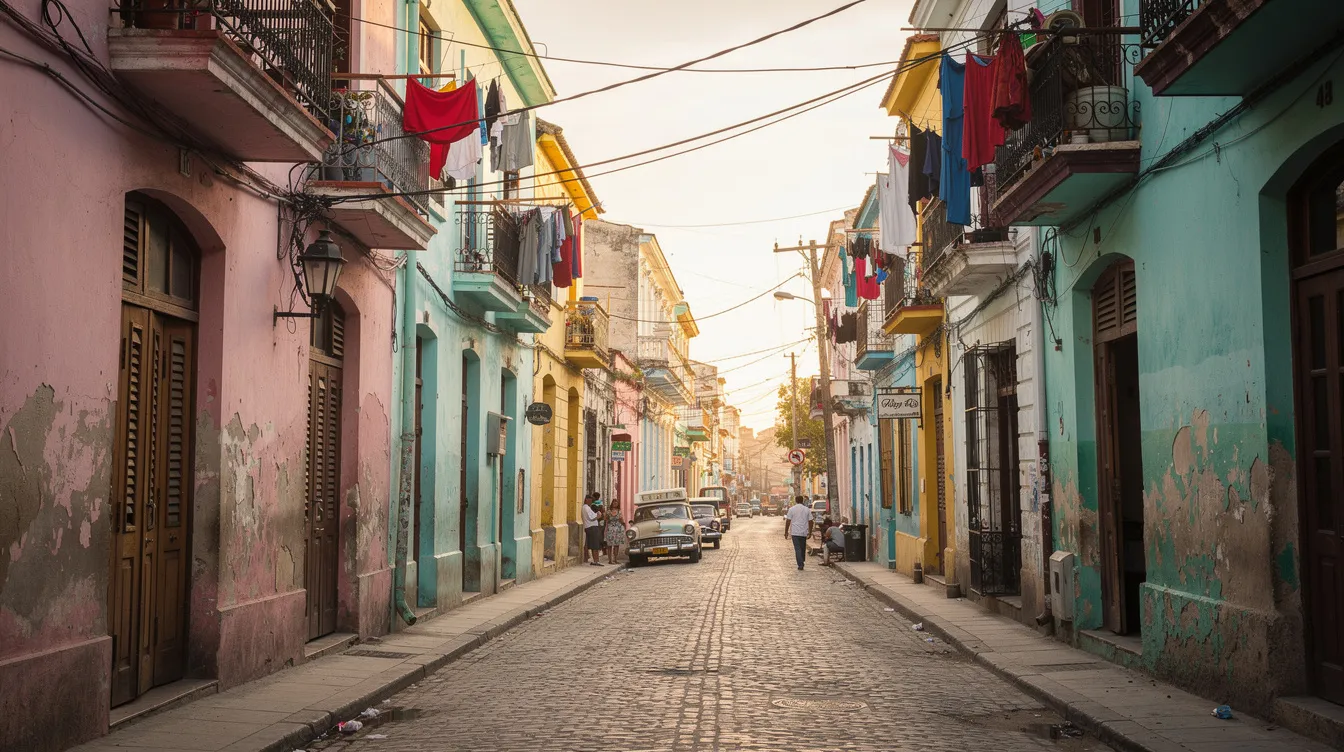
Start with Old Havana's four great plazas - you can hit them all on foot in a couple of hours:
- Plaza Vieja - restored colonial square with the Camera Obscura, cafes, and an art gallery
- Plaza de la Catedral - baroque cathedral, street musicians, and the densest concentration of tourists per square meter in Cuba
- Plaza de Armas - the oldest square, ringed by secondhand book stalls and the Museo de la Ciudad
- Plaza de San Francisco de Asís - quieter, with a convent-turned-concert-hall
From there, walk Calle Obispo end to end. It's the spine of Old Havana - narrow, pedestrian-heavy, lined with shops, galleries, and cafes. Stop at a small spot for your first proper Cuban coffee ($1–3). If you pass Hotel Ambos Mundos, peek inside the lobby - Hemingway's old haunt, now a museum-hotel hybrid.
Pro tip: consider joining a walking tour or guided tour mid-afternoon. Free Havana tours run daily and give you historical context that makes the rest of your days in Cuba much richer. Even a self-guided Old Havana walking tour along Paseo del Prado gives you orientation for everything that follows.
Day 1 Evening: Classic Cocktails and Your First Night Out
Your first night in Havana should be a soft landing, not a marathon.
Pre-dinner Drinks
Find a rooftop bar with views over Central Havana and the Malecón. La Guarida's rooftop, the Hotel Inglaterra terrace, or the Manzana Kempinski rooftop all work. Sunset from up here is absurd.
Dinner
Pick a paladar (private restaurant) in Old Havana or Central Havana. Typical dishes: ropa vieja, grilled fish, yuca con mojo. Budget $20–35 per person for a solid meal with drinks.
The Historic Bar Crawl
You kind of have to do it once. Popular drinks include mojitos and daiquiris in Havana, and two bars fight over Hemingway's ghost:
- El Floridita - famous for its daiquiris, a Hemingway favorite. Touristy, overpriced, but the frozen daiquiris are genuinely good.
- La Bodeguita del Medio - mojito central, wall-to-wall signatures, and a brass band that never stops.
Both charge tourist prices. That's the extra cost of drinking where Hemingway drank. Worth it once.
Wrap up with a stroll around Parque Central or back along Calle Obispo. Don't burn yourself out - you've got two more days.
Day 2 Morning: Old Havana Deep Dive
Breakfast at your casa (most include it), then head out for the cultural stops you skipped on your explore yesterday.
Museums and Cultural Stops
Pick one or two:
| Museum | Cost | Time Needed | Notes |
|---|---|---|---|
| Museo de la Ciudad | ~$3 | 60–90 min | Colonial history in a gorgeous palace |
| Museo del Ron Havana Club | ~$10 | 45–60 min | Includes rum tasting at end |
| Camera Obscura (Plaza Vieja) | ~$2 | 20 min | 360° live projection of the city |
| Museo de la Revolución | ~$8 | 90 min | Former presidential palace, includes Granma yacht |
Most museums are closed on Mondays - plan accordingly. Carry small change for entries and public bathrooms. Everything is cash only.
Cigars
Visit a cigar shop or factory outlet. Cuban cigars are handmade and highly valued in the economy. Buy from official stores - street sellers often push fakes. A decent stick runs $5–15; a box can go much higher.
Callejón de Hamel
Head to Callejón de Hamel before lunch. This alley features vibrant street art and local music - it's a mosaic-covered shrine to Afro-Cuban culture with murals, sculptures, and (on Sundays) live rumba. Callejón de Hamel is known for Afro-Cuban mural art, and it's one of the most visually intense spots in the city.
Day 2 Afternoon: Central Havana, Vintage Cars, and the Malecón
Time to leave the UNESCO-polished center and walk into Central Havana's more lived-in streets.
Walking Route
- Start at Parque Central
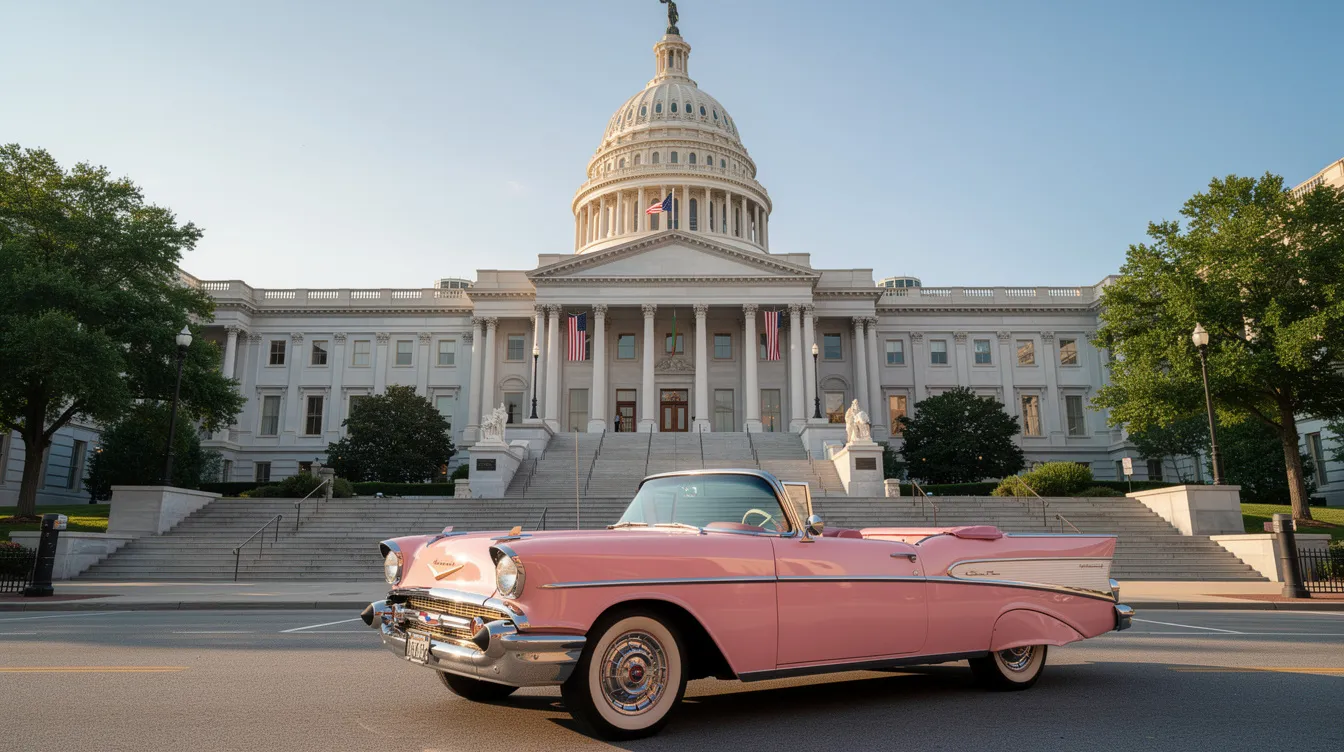
- Pass El Capitolio - inspired by the Capitol Building in the US, currently under restoration, and still jaw-dropping
- Walk Calle San Rafael for local life: kids playing, domino games on sidewalks, corner kiosks
- Continue down Paseo del Prado toward the Malecón
What is a Vintage Car Tour?
A vintage car tour in Havana is a guided ride through the city in a classic American car from the 1950s. Havana is famous for its fleet of colorful, well-preserved vintage cars, which have become iconic symbols of the city. Vintage car rides are a popular tourist activity in Havana, offering a unique way to see the sights and experience a piece of Cuban history.
How to Book a Vintage Car Tour
- Mid-afternoon, grab a classic car ride. Most loops hit Plaza de la Revolución (designed in 1952 and renamed in 1959, with those iconic Che Guevara and Camilo Cienfuegos murals), Vedado's leafy avenues, and Miramar's embassy district.
- A vintage car tour in Havana typically costs around $20 per hour.
The Malecón is a popular promenade along the Bay of Havana - ask your driver to drop you here for golden hour. Waves crash against the seawall, couples sit with their feet dangling, and the vintage cars glow in the last light. This is the photo. This is the moment.
While you're in the area, Fusterlandia is worth a detour if time allows - a mosaic-covered neighborhood project by José Fuster, sometimes called "Cuba's Gaudí." It's about 20 minutes west by private taxi.
Day 2 Evening: Music, Dancing, and Your "Last Night" Option
This is your big night out. Havana has a vibrant cultural scene centered around music and art, and Day 2 evening is when you lean into it.
Option A: Cabaret Show
- The Tropicana cabaret show is famous for cultural music and dance - it's been running since 1939 and it's as over-the-top as you'd expect.
- Book in advance; tickets run $70–95 including drinks.
Option B: Live Music and Salsa Dancing
- Smaller venues across Old Havana and Vedado host son, salsa, and reggaetón nightly.
- The Fábrica de Arte Cubano (FAC) is a modern cultural center and art gallery that hosts exhibitions, live music, film, and DJ sets in a converted cooking-oil factory. It's where young Havana goes on weekends.
Budget for cover charges ($5–20 depending on venue) and taxi fare home, especially if staying in Central Havana or Vedado. Scammers, known as jineteros, are common near tourist spots - be friendly but firm if someone steers you toward a "special" bar or restaurant. Use registered taxis after shows.
For travelers using this as the last night of longer days in Cuba, revisit a favorite spot for closure. Sometimes the best plan is no plan - just walk, listen, and let the music find you.
Day 3 Option 1: Playas del Este Beach Day Trip
If you're in Havana from Friday to Sunday, a beach day on your final day gives you a Caribbean reset before heading home.
Getting There
Playas del Este sits about 29 km east of Old Havana. You can take a shared taxi or the beach bus from Parque Central - roughly 25–35 minutes, costing around $2 by public bus or $15–25 by taxi.
What to Bring
- Cash
- Sunscreen
- Snacks
- Water
- A light towel
Rent a lounger, order grilled fish and a cold beer from a beach shack, and do absolutely nothing for a few hours. The water is warm, the sand is white, and the vibe is a mix of locals and tourists.
Timing
Leave by mid-morning, head back by late afternoon to catch one last Malecón stroll and a low-key final dinner near your casa. You'll want to be packed and ready if you have an early flight the next morning.
Day 3 Option 2: Countryside Day Trip from Havana
For travelers who prefer green over blue, a countryside day trip to Viñales Valley delivers something completely different from the city.

What to Expect on a Viñales Day Trip
- Early morning departure (2.5–3 hours by road)
- Visit to a tobacco plantation - watch farmers roll cigars by hand, walk through tobacco fields
- Mogote viewpoints with dramatic karst landscapes
- Lunch at a farm paladar (usually included)
- Optional short horseback ride
Book through a local agency or your casa host. Pay in cash. A group day trip runs $50–80 per person; a private taxi for the round trip costs more but gives you flexibility.
Real talk: a Viñales day trip is intense for a single day. If you have longer days in Cuba, you should visit Viñales for an overnight stay instead. But as a taster, it works - and the countryside is a powerful contrast to Havana's urban energy.
Keep your last night in Havana simple: dinner near your casa, pack, and take one final walk through Old Havana at night.
Food & Drink in Havana for a Short Stay
Food in Havana can be a highlight or a letdown. Food quality in Havana varies widely among restaurants, and Cuban restaurants face challenges due to ingredient rationing. Cuba's economy is heavily rationed, affecting food availability, so menus change based on what's actually in stock that week.
State Restaurants vs. Paladares
- State-run restaurants are generally worse than paladares (private restaurants).
- Seek out paladares for good food and atmosphere.
What to Eat Over Three Days
- Ropa vieja: Shredded beef in tomato sauce (Any paladar)
- Arroz congrí: Rice and black beans (Everywhere)
- Tostones: Fried plantain discs (Street stalls, paladares)
- Grilled fish: Catch of the day (Beach spots, nicer paladares)
- Cuban coffee: Strong, sweet, tiny (Any café or street vendor)
Cuban cuisine is often meat-heavy and non-spicy - adjust expectations if you're used to other Caribbean flavors. For drinks, mojitos and daiquiris dominate, but don't sleep on a straight pour of aged Havana Club rum.
Timing Tip
Take longer lunch breaks during the hottest hours (12–3pm), then go lighter at dinner if you plan to be out late.
Understanding Havana Beyond the Postcards
Havana is a beautiful city, but it's not a theme park. The crumbling buildings aren't aesthetic choices - they're the result of decades of economic hardship. Cuban citizens often live on as little as $30 a month. Ration lines are real. The contrast between tourist spending and local reality is sharp, and pretending otherwise does everyone a disservice.
This doesn't mean you shouldn't visit. It means visiting Cuba comes with a responsibility to engage honestly with what you see. The welcoming people you meet aren't props for your Instagram - they're living in a system shaped by history, politics, and the ongoing effects of the revolution and the US embargo.
How to Travel Respectfully
- Stay in casas particulares - your money goes directly to Cuban people
- Eat at paladares, not state restaurants
- Tip fairly (even small amounts matter enormously here)
- Buy from small vendors and local artists
- Ask before photographing people, especially around ration stores or hardship
- Learn basic Spanish phrases: por favor, gracias, ¿cuánto cuesta?
Fortaleza de San Carlos de la Cabaña, the largest colonial fortress in the Americas, stands across the harbor as a reminder that Havana's history is layered - colonial, revolutionary, and ongoing. These realities are part of what makes even a short weekend in Havana thought-provoking and memorable.
Extending Your Weekend: Adding More Days in Cuba
Three days in Havana is a strong start. But Cuba is a country that rewards slow travel, and detailed itineraries beyond Havana open up entirely different worlds.
Sample 7-Day Cuba Itinerary
| Days | Location | Highlights |
|---|---|---|
| 1–3 | Havana | This itinerary |
| 4–5 | Viñales | Tobacco farms, horseback riding, mogotes |
| 6–7 | Trinidad | Colonial town, live music, Playa Ancón beach |
If you have ten days, add Cienfuegos (one night) between Trinidad and Havana, or extend Viñales to three nights for hiking and caving. Travel planning gets more complex outside Havana - transport is slower, cash management trickier, and booking logistics heavier. Consider a travel company or pre-arranged transfers if you're not comfortable improvising in Spanish.
Cuba tours that combine Havana with Viñales and Trinidad are the most popular multi-city routes, and for good reason. Tony Pantages, a veteran Cuba travel operator, and writers like Harry Smith and Jack Petty have all noted that Havana works best as a home base before branching out. The capital gives you the Cuban culture crash course; the countryside and smaller towns provide depth.
Practical Tips for Getting Around Havana
On a weekend trip, you mostly walk. But you still need to understand your options.
Walking
Old Havana to Central Havana is about 15–20 minutes on foot. Central Havana to Vedado is another 25–30 minutes. Stick to well-lit, busy streets after dark.
Taxis
| Type | Cost | Notes |
|---|---|---|
| Classic tourist taxi | $10–15 CUC for city rides | Negotiate before getting in |
| Yellow state taxi | Similar pricing | Metered, sometimes |
| Colectivos | $1–2 CUC per person | Shared rides, budget-friendly, fixed routes |
| Private taxi | Varies | Best for airport, day trips |
Colectivos are shared rides and a budget-friendly option for getting between neighborhoods. Taxis in Havana cost around 10–15 CUC during the day. Always agree on price before you get in.
Ferries and Buses
- The ferry to Casablanca (across the harbor) costs just 2 CUP - a fun, quick crossing with great views.
- Public buses in Havana are difficult to navigate, especially for short stays. Skip them unless you speak decent Spanish and enjoy confusion.
Pre-Arrival Tips
Before you land: download an offline map and mark your casa, Parque Central, the Malecón, and the airport. Your internet connection will be unreliable at best.
Final Thoughts
A weekend in Havana won't show you all of Cuba. It won't answer every question about this complicated, fascinating country. But three days of walking through Old Havana's plazas, sitting on the Malecón at sunset, listening to Cuban art and music pour out of open doorways, and eating lunch at a family paladar - that's enough to understand why this city stays with people long after they leave.
Use this Havana itinerary as a flexible framework. Swap morning and afternoon activities to beat the heat. Trade the beach day for extra museum time if that's your style. Spend an extra hour at a street corner listening to a trio play son. The bucket list version of Havana - the one with the vintage cars and the perfect mojito - is real, but the deeper trip happens when you slow down, stay curious, and let the city show you what it actually is.
Havana is best experienced slowly. Even over three days. Especially over three days.
FAQ: Weekend in Havana, Cuba
Is a weekend in Havana really enough time?
Three days in Havana is enough to explore the historic core, take a Havana tour through the main neighborhoods, and fit in a beach day or countryside day trip. It's not enough for broader Cuba - for that, plan longer days in Cuba covering Trinidad, Viñales, or Cienfuegos. But as a standalone trip, a weekend gives you a genuine and concentrated taste of the city.
How much cash should I bring for 3 days in Havana?
Budget travelers can get by on roughly $60–80 USD per day (casa particular, local meals, colectivos, small museums). Mid-range travelers should plan for $100–150 per day, covering nicer paladares, a classic car tour, and rooftop drinks. Bring it all in physical cash - small denominations of USD or euros. ATMs often reject US cards entirely, and card payments are essentially nonexistent. Arrive with enough cash and then some.
Is Havana safe for solo travelers, including solo women, on a short trip?
Cuba has low crime rates due to strict penalties, and solo female travelers report feeling safe in Havana. Violent crime against tourists is rare compared to many large cities. That said, petty theft and pickpocketing happen in tourist zones - Old Havana, the Malecón, beach areas. Expect mild cat-calling, often seen as a compliment in local culture but potentially uncomfortable. Use registered taxis at night, avoid poorly lit streets, and carry minimal cash when going out.
What should I wear for a weekend in Havana?
Light, breathable clothing is essential - Havana is hot and humid year-round. Pack comfortable walking shoes for uneven cobblestone streets and broken sidewalks. Bring a hat, sunscreen, and a light layer for breezy Malecón evenings. Nightlife varies from casual to dressy, but smart-casual (clean shirt, decent shoes) works almost everywhere, including the Fábrica de Arte Cubano and upscale paladares.
Can I do Havana without speaking Spanish?
Basic tourism - taxis, restaurants, casas - is possible with minimal Spanish. Many casa hosts and paladar staff speak some English, especially in Old Havana. But outside tourist zones, English drops off fast. Download an offline phrasebook, learn key phrases (¿cuánto cuesta?, la cuenta por favor, ¿dónde está...?), and keep a notepad handy for writing numbers and addresses. Pointing, smiling, and basic gestures go a long way with Havana's generally welcoming people.